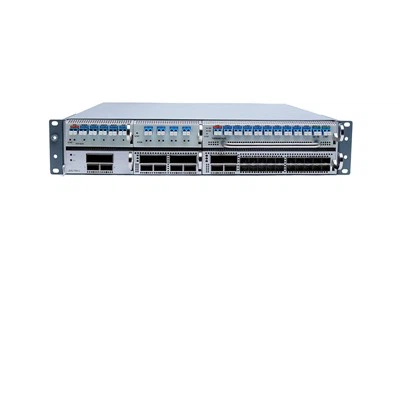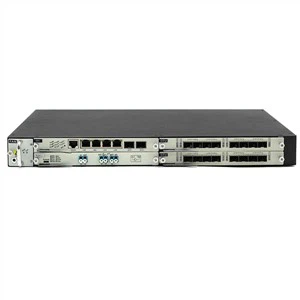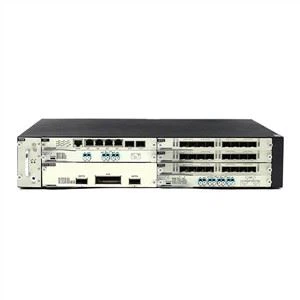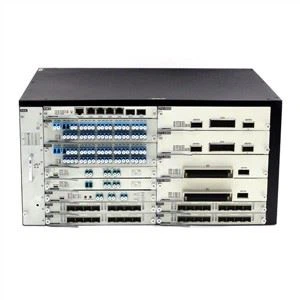



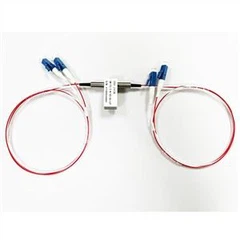
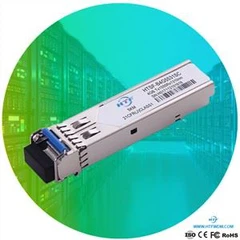


By comparing the passive scheme and the semi-active scheme, we know that the two schemes have the same product on the base station side: passive wavelength division + color light module. The main difference is the configuration on the side of the convergence room.


Therefore, to integrate the above products, there are two implementation schemes to evolve from a pure passive scheme to a semi-active scheme:
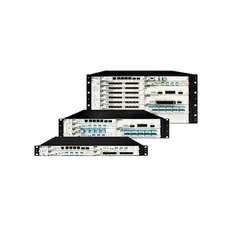
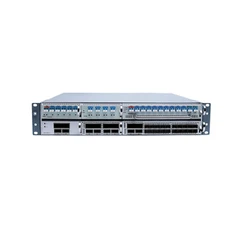
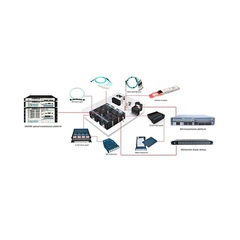
First: In the state of passive solution, the passive wavelength division + optical module on the convergence equipment room side is gradually transferred to the base station side, and the equipment on the convergence equipment room side is replaced with an integrated transmission platform + wavelength division board + color light module + OTU The service board + service optical module + optical protection board can realize the evolution from the passive solution to the semi-active solution, and will not cause the waste of related products purchased in the previous pure passive solution.
Second: In the previous passive solution, the passive WDM on the side of the convergence room was made into a card-type WDM that matched the integrated transmission platform. Later, when you need to evolve from a passive solution to a semi-active solution, you only need to add "integrated transmission platform + color light module + OTU service board + service optical module + optical protection board" on the side of the convergence room to achieve complete wasteless evolution.
The above two schemes are based on pure passive schemes for the early implementation of the project, and later evolved into a semi-active scheme. The solution has obvious advantages, simple construction, reusable products, no waste, lower equipment cost and labor cost. Moreover, the semi-active solution is highly intelligent and can realize remote network management, which is convenient for the maintenance of operation and maintenance personnel.
The passive WDM solution has a low construction cost and can solve the problem of tight optical fiber resources. This solution is composed of pure optical path devices and has a lower failure rate than the active WDM solution. The semi-active WDM solution provides adequate operation and maintenance functions on the active side while solving the problem of tight optical fiber resources, and still cannot avoid the management requirements of the colored light module on the base station.