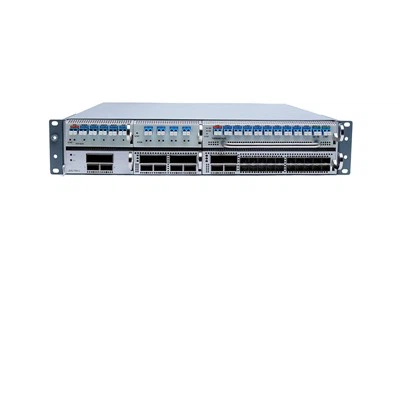





The optical amplifier is used as an integrated part of long distance data transmission. The most prominent feature of optical amplifier is that the device can amplify optical signal directly without converting the signal into electrical signal before amplification. EDFA (fiber doped fiber amplifier) is one of many different types of optical amplifiers, which can realize signal amplification through long-distance optical communication.
What is an EDFA amplifier?
EDFA or Er doped fiber amplifier is the most widely deployed optical amplifier in WDM system. It uses Er doped fiber as optical amplification medium to directly enhance the signal. The amplification medium is glass fiber doped with ions. Fiber doped fiber gain medium can amplify the light with the wavelength around 1550 nm, which is the minimum attenuation wavelength in the fiber. EDFA works best in the range of 1530 to 1565 nm. It has low noise and can amplify many wavelengths at the same time, making it the preferred fiber amplifier for most optical communication applications.
How does EDFA work?
Basically, EDFA consists of an EDF (e-doped fiber), a pump laser and a WDM combiner. WDM combiners are used to combine the signal and pump wavelengths so that they can propagate through EDF at the same time. Optical signals (such as 1550nm signals) enter the EDFA amplifier from the input. 1550 nm signal is combined with 980 nm pump laser with WDM device.
Why is EDFA essential for DWDM systems?
Nowadays, EDFA optical amplifier is the first choice for DWDM system because of its low noise and insensitive to signal polarization. In addition, compared with other signal amplification methods, EDFA deployment is relatively easy to implement and cheaper.
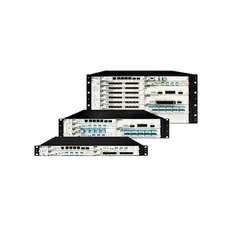
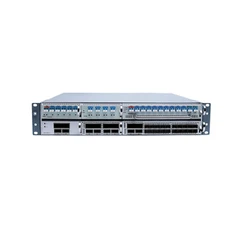
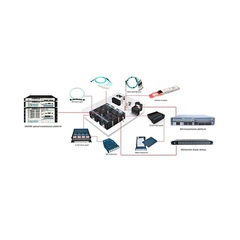
In addition to EDFA, the multi service transport (FMT) system also includes other devices, such as OEO, DCM and OLP, to jointly build long-distance DWDM networks. In addition, we will design our own ont solutions for each customer to fully meet specific requirements.