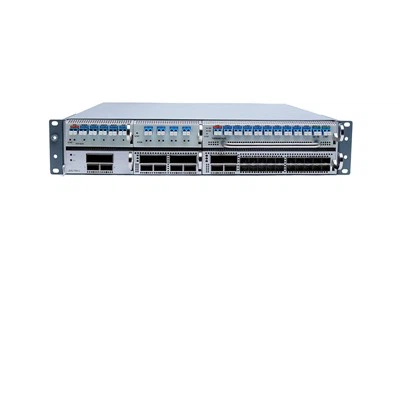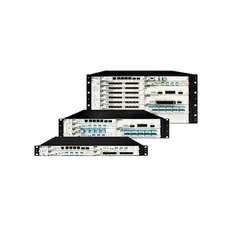
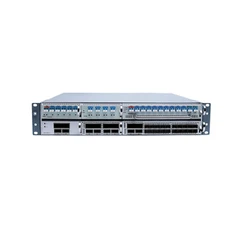

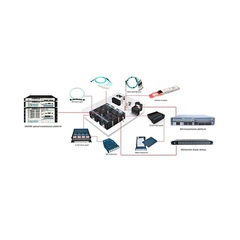


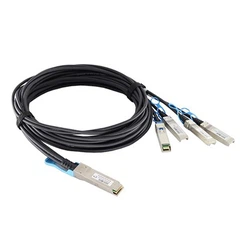
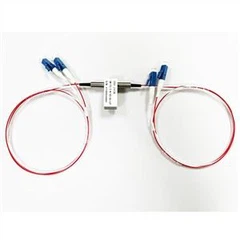
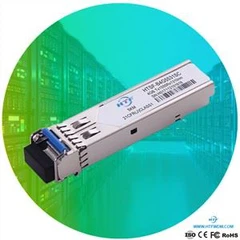


Optical devices are divided into active devices and passive devices. Optical active devices are the optoelectronic devices which can convert electrical signals into optical signals or optical signals into electrical signals, which need to be driven by additional energy in the optical communication system. They are the heart of the optical transmission system. Optical passive devices are optoelectronic devices that do not need external energy to drive the work.
The profit margin of optical device and module suppliers is the lowest in the whole communication industry supply chain in the past 15 years, but it has improved in 2016-2017.
The main problem of optical device and optical module business is that it is a very small part of a very large industry, and when it comes to negotiating pricing, scale is very important.
Big customers are concerned about the small size of the optical supply chain because they are afraid of shortages. Every time there is a shortage, big customers will purchase more than they need, and when they realize that the shortage has passed, they suddenly cancel the order, which leads to a sharp fluctuation of demand. The decline in demand for 100gbe optical modules in the second half of 2018 is the best example. The sudden drop in demand has accelerated the fall in prices and profitability of suppliers in 2018 and 2019.
A more powerful motivation for introducing optical devices into internal manufacturing is that they are becoming an increasingly large part of the bill of materials for optical transmission equipment, switches and routers. The limitation of optical device performance is often the obstacle of network and switching hardware innovation.