




There are two main architectures for optical fiber entering the home: one is point-to-point topology, which uses one optical fiber from the central office to each user; the other is point-to-multipoint passive optical network (PON), which can greatly reduce the number of optical transceivers and fiber consumption, and reduce the rack space required by the central office, with cost advantages. At present It has become the mainstream.
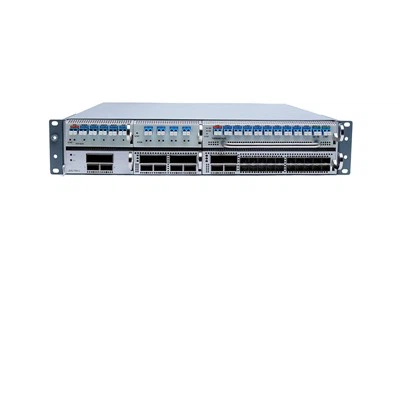
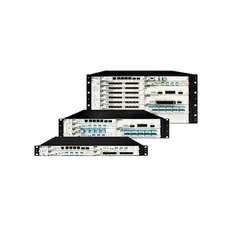
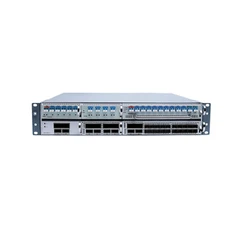
There are two kinds of equipment used for optical fiber access, one is the office equipment deployed in the computer room of the telecom operator, which is called the optical line terminal (OLT), the other is the equipment close to the user end, which is called the optical network unit (ONU).
At present, in the field of optical fiber access, the focus of the debate in the industry is two technical solutions of passive optical network: GPON and EPON. In short, the former has stronger business support capability and higher transmission efficiency, which is suitable for the deployment of high-end commercial customers and residential customers in the era of full business operation, but the cost is relatively high. EPON is mainly for data transmission, the core advantage is the relatively low cost. GPON's service provision capability is basically the same as EPON's, and there is no service access that GPON can do but EPON can't. In the future, in the era of 10G, it is possible to integrate the two technologies, that is, the same hardware platform supports both 10g EPON and 10g GPON. Existing equipment manufacturers have begun to play down the differences between the two technologies.
Generally speaking, in the absence of other epoch-making technologies, fiber-optic access is the ultimate goal of broadband access in the next few years or even decades. It will drive the development of a series of related industries and form a market scale of hundreds of billions or even trillion yuan.