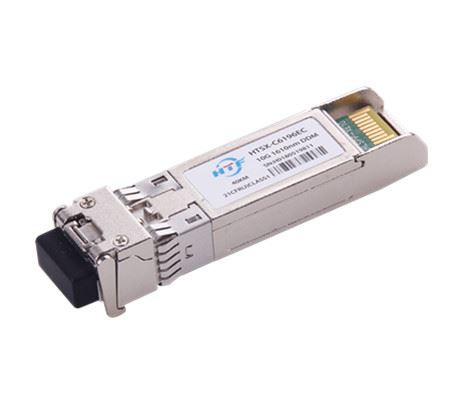



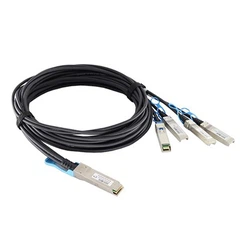
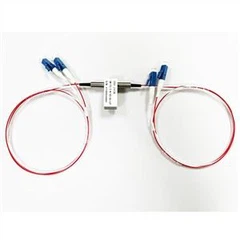
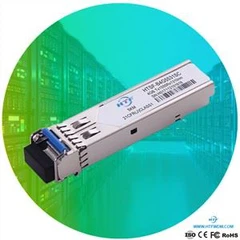


WDM module can be divided into XENPAK WDM module, X2 WDM module, GBIC WDM module, XFP WDM module, SFP WDM module, SFP+ WDM module, etc.
WDM modules can be divided into (coarse wavelength division multiplexing) CWDM optical modules and (dense wavelength division multiplexing) DWDM optical modules according to different wavelength densities; CWDM optical modules use coarse wavelength division multiplexing (CWDM) technology, suitable for short Distance transmission is generally applied in Gigabit Ethernet and point-to-point networks. DWDM optical modules use Dense Wavelength Division Multiplexing (DWDM) technology, which is suitable for long-distance transmission. It is generally used in large-scale network environments such as metropolitan area networks and local area networks.
WDM optical modules are passive optical modules. This module does not emit laser light. Generally, it uses optical planar waveguide technology to split a beam of light into several beams of light, while ordinary optical modules belong to active optical modules. Each module has two ports: one for sending and one for receiving. The laser is used in the transmitting port. In addition, the wavelength division multiplexing module adopts the wavelength division multiplexing technology, which can effectively save the cost of the optical fiber, but the ordinary optical module cannot.