


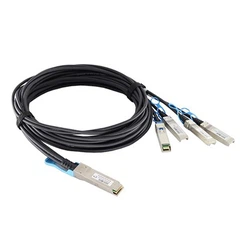
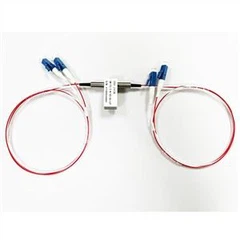
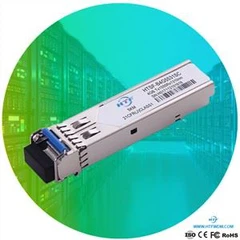


Optical Module is used to convert the electrical signal into an optical signal at the sending end, and then transmit it through the optical fiber, and then convert the optical signal into an electrical signal at the receiving end. In simple terms, it is a photoelectric Converted device. From the volume point of view, its size is very small, the first time it looks a bit like a U disk. Although it is small, but it plays a very important role in 5G construction.
The traditional data center is mainly based on the 10G network architecture, but with the continuous increase of data traffic, the data center is facing greater pressure, so it is imperative to upgrade related equipment. In the 5G era, the number of base stations will usher in a big explosion. At the same time, since the amount of data in the 5G era will grow rapidly and violently, the performance and number of optical modules will greatly increase.
The 400G hot-swappable optical module is called CDFP. There are three generations of CDFP in history, divided into two card slots, half transmitting and half receiving. Many 10G, 40G, 100G, and 400G optical module standards are proposed by the IEEE 802.3 working group. In addition, there is an MSA protocol. The biggest difference with IEEE is that the multi-source agreement MSA is more like a non-governmental organization form, and different MSA agreements can be formed for different optical module standards. It is precisely because of the standardization of standards that up to today, optical modules are unified in structure packaging, product size and interface mode.