



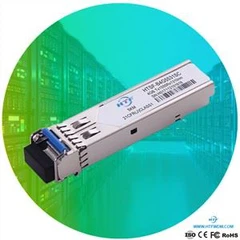


If you search for the specifications of an optical transceiver, you may find “MSA compliant” is written on the protocol section. MSA, short for multi-source agreement, is an agreement between multiple manufacturers to make products that have the same basic functionality and operability across different vendors.
Though MSA has become a recognized standard organization in optical communication industry, it is not an official one. It is known that IEEE (Institute of Electrical and Electronics Engineers) is the world’s largest technical professional organization and IEEE communities set up standards for transceivers. However, at one time, the interface types of optical transceivers from different equipment manufacturers were diversified. To solve the insufficiency of interoperability, multiple manufacturers established an organization to standardize the form, fit and function of transceiver modules, therefore MSA came into being and supplement with IEEE standards.
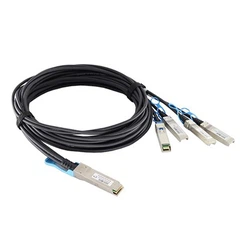
Products that adhere to MSAs include optical transceivers, fiber optic cables, and other networking devices. As for optical transceivers, MSA standards define not only the form factors, but also its electrical interface and optical interface, therefore forming a complete optical transceiver standard. Consider SFP MSA for example, the SFP transceiver is not standardized by any official standards body, but by SFP MSA.